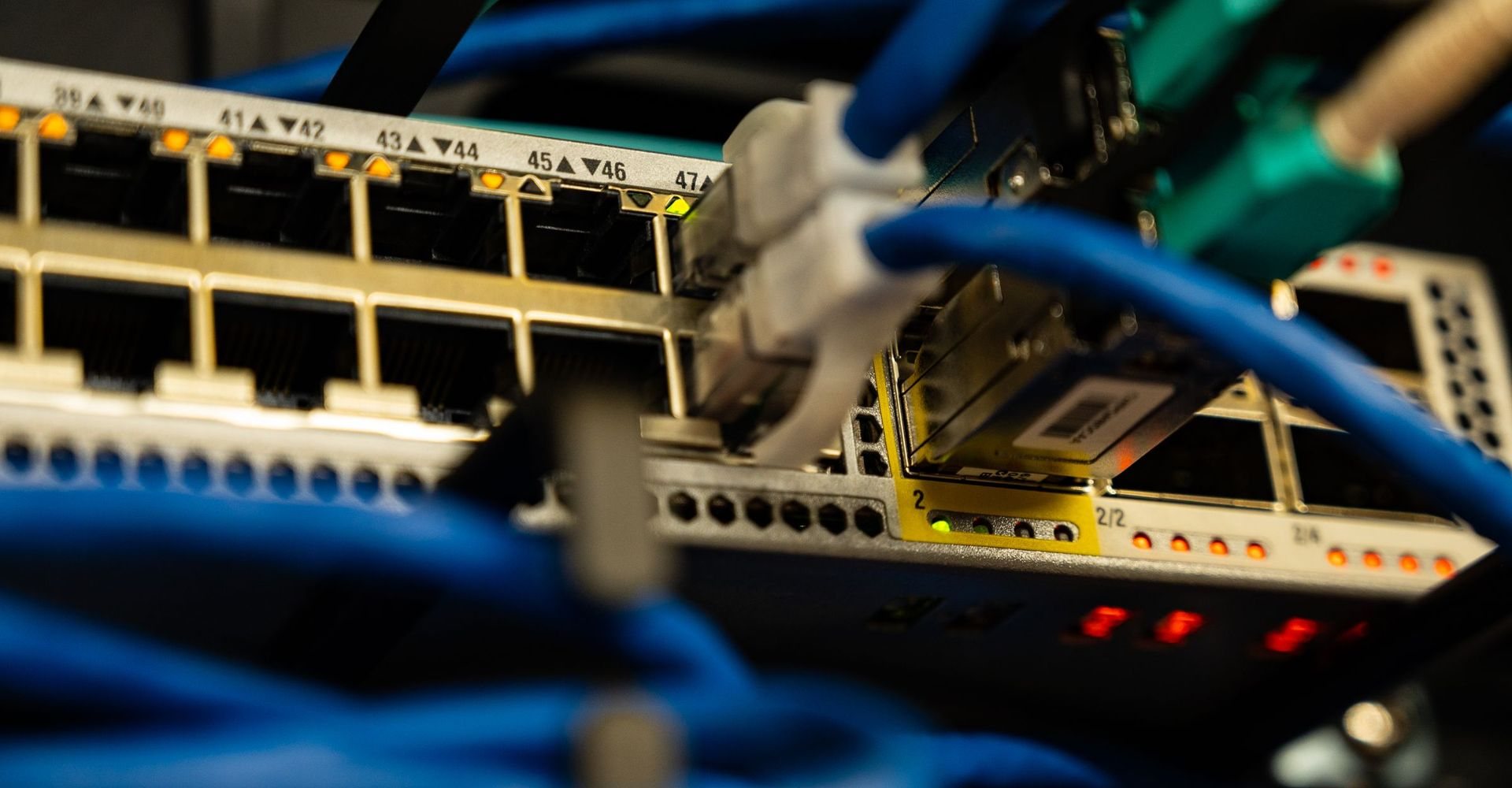
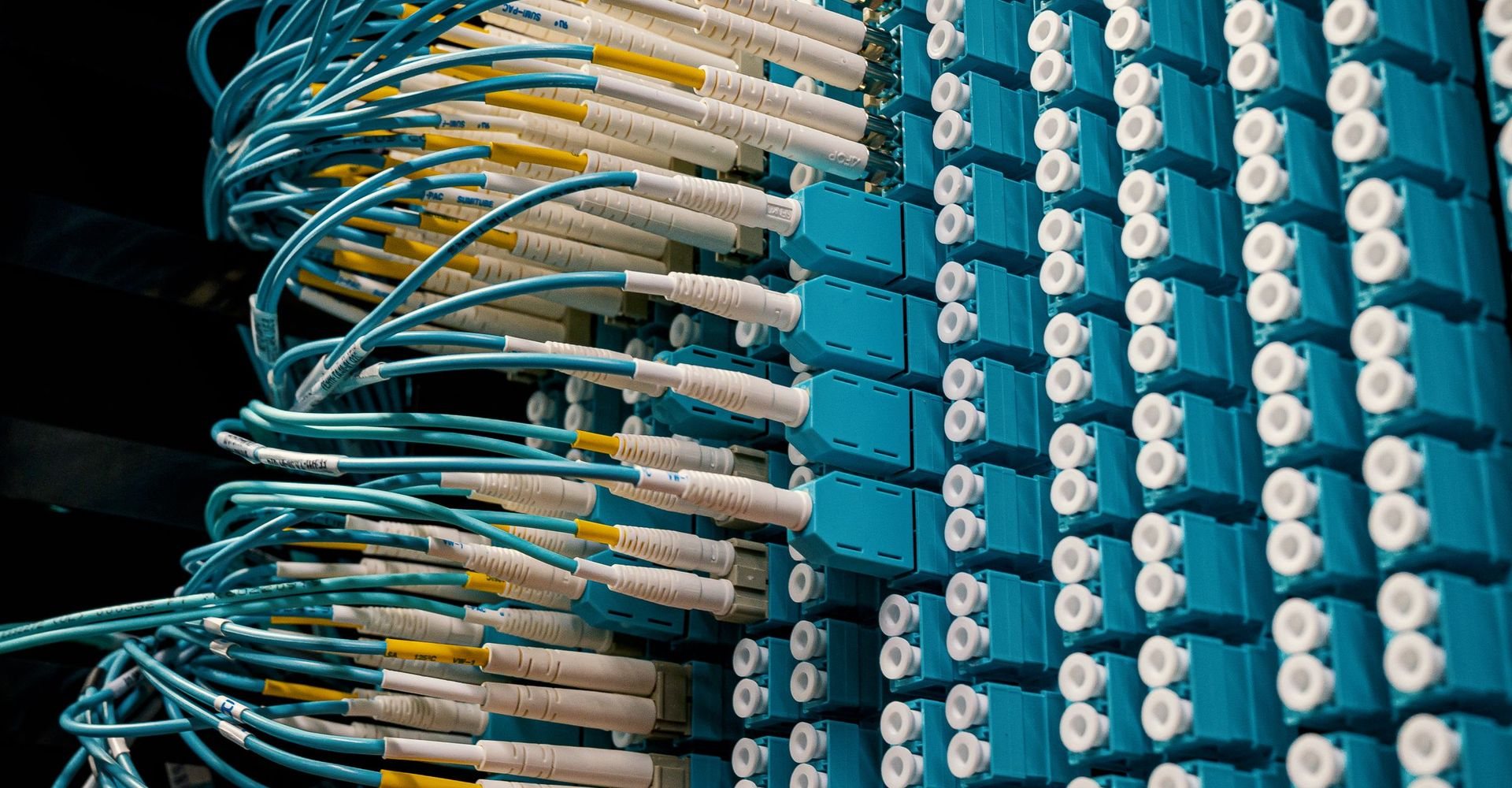
New phones, faster Wi-Fi and smarter TVs get the attention in a technology upgrade. Behind all of them is something guests never see: the structured cabling that connects every room, closet and device. When that foundation is planned well, every future project is easier. When it is not, even simple changes turn into expensive troubleshooting.
Everything rides on the cable
A modern property can run a surprising number of systems over its network cabling:
- IP phones at the front desk and in guest rooms
- Wi-Fi access points, often powered over the same cable
- In-room TV and entertainment systems
- Security cameras and access control
- Back-office computers, printers and payment terminals
If the cabling is disorganized, undocumented or damaged, each of these systems inherits the problem.
Copper for the rooms, fiber for the backbone
Most structured cabling uses two types of cable. Copper cable, such as Category 6 or Category 6A, runs from telecommunications closets to rooms and devices. Ethernet over twisted-pair copper is limited to about 100 meters (328 feet) per channel, which is why larger properties use several closets. Fiber optic cable connects those closets to the main equipment room, carrying high volumes of data over longer distances.
Labeling and documentation save hours
A cable that is not labeled is a cable nobody wants to touch. Consistent labeling at both ends, following an industry standard such as ANSI/TIA-606, and up-to-date floor plans let technicians find and fix issues in minutes instead of tracing wires through ceilings. Ask for documentation as part of every cabling project.
Test and certify every run
Professional installers test each cable run after installation to confirm it performs to its rated category. Certification reports give you a record that the network was built correctly and help rule out cabling when problems appear later.
Organized racks and closets
Neat patch panels, cable management and clearly separated equipment make closets safer and easier to work in. They also improve airflow, which helps network equipment last longer.
Plan for the next upgrade
Pulling cable is disruptive, especially in an occupied hotel. Adding spare runs and pathway capacity during a project costs far less than returning later. It is also worth scheduling work floor by floor so rooms can stay available.
Start with an assessment
Before replacing phones or expanding Wi-Fi, have your existing cabling assessed. You may be able to reuse more than you expect, or discover issues that would have undermined the new system. Active Telephones installs, tests and documents structured cabling for hotels and businesses, and can review your current infrastructure as the first step of any upgrade.